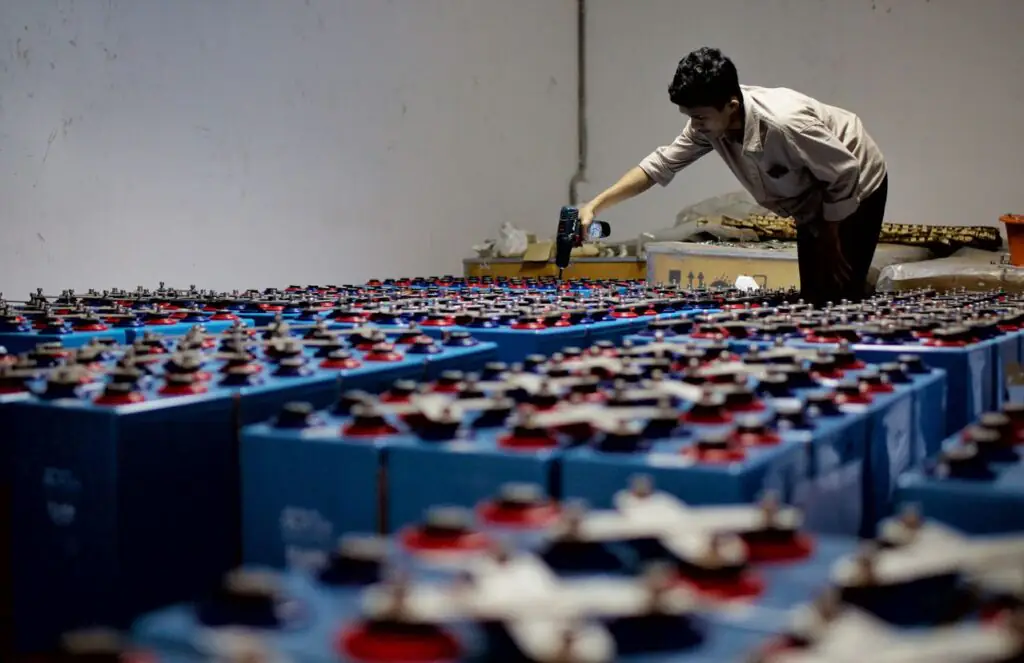
A new policy brief shows what is lost when batteries are dismantled into modules and cells, and sets out three actions for the EU ahead of February 2027. From February 2027, electric vehicle, light means of transport and industrial batteries placed on the EU market will need a digital Battery Passport. But the passport follows […]
A new policy brief shows what is lost when batteries are dismantled into modules and cells, and sets out three actions for the EU ahead of February 2027.
From February 2027, electric vehicle, light means of transport and industrial batteries placed on the EU market will need a digital Battery Passport. But the passport follows the battery as it was sold, typically the whole pack. But the passport follows the battery as it was sold, typically the whole pack. Once the pack is dismantled into modules and cells for reuse or recycling, that information is lost.
This cell-level gap is the Closing the cell-level gap: why the EU Battery Passport needs to reach disassembled modules and cells, the new policy brief from the Horizon Europe project REBELION.
Drawing on the project’s EV and light electric vehicle pilot lines, the brief shows what this gap means at the dismantling facility, from cells that become indistinguishable once separated to the consequences for how battery recycling is financed. It sets out three concrete recommendations for EU policymakers working on the Battery Regulation’s implementing and delegated acts, and for the standardisation bodies shaping the Digital Product Passport.
Photo credits: Heru Dharma on Pexels