When a battery can no longer meet the demands of electric mobility, it often still holds plenty of usable energy. Lucy shows what that energy can do next. Batteries from light electric vehicles such as e-bikes and e-scooters are often replaced while they still retain around 80% of their original capacity. That is no longer […]
When a battery can no longer meet the demands of electric mobility, it often still holds plenty of usable energy. Lucy shows what that energy can do next.
Batteries from light electric vehicles such as e-bikes and e-scooters are often replaced while they still retain around 80% of their original capacity. That is no longer enough for a scooter, but it is more than enough for a lamp.
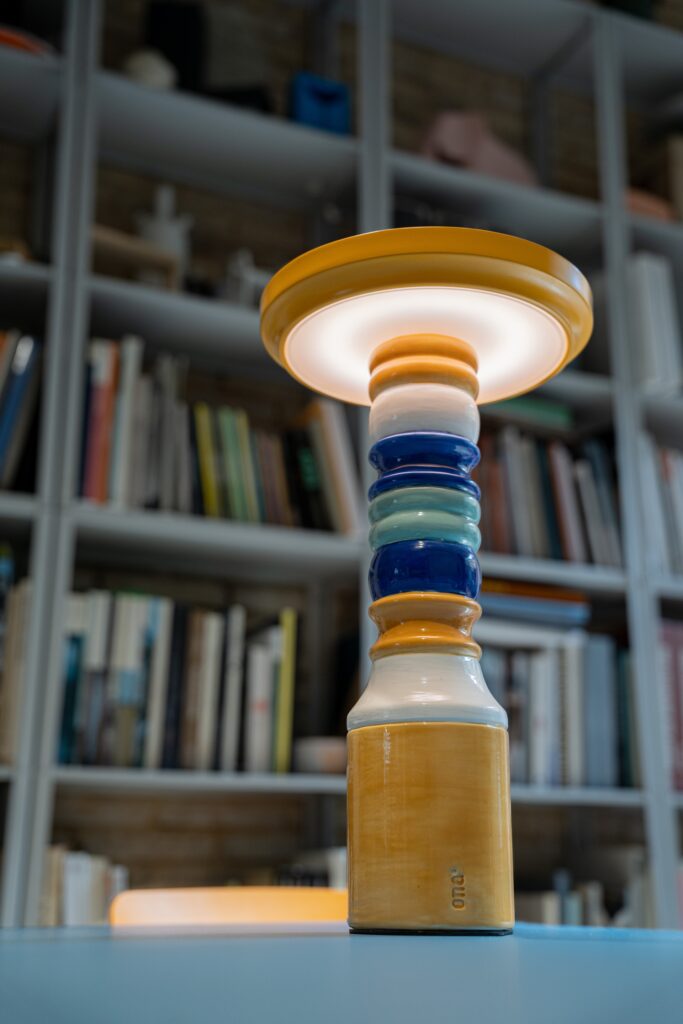
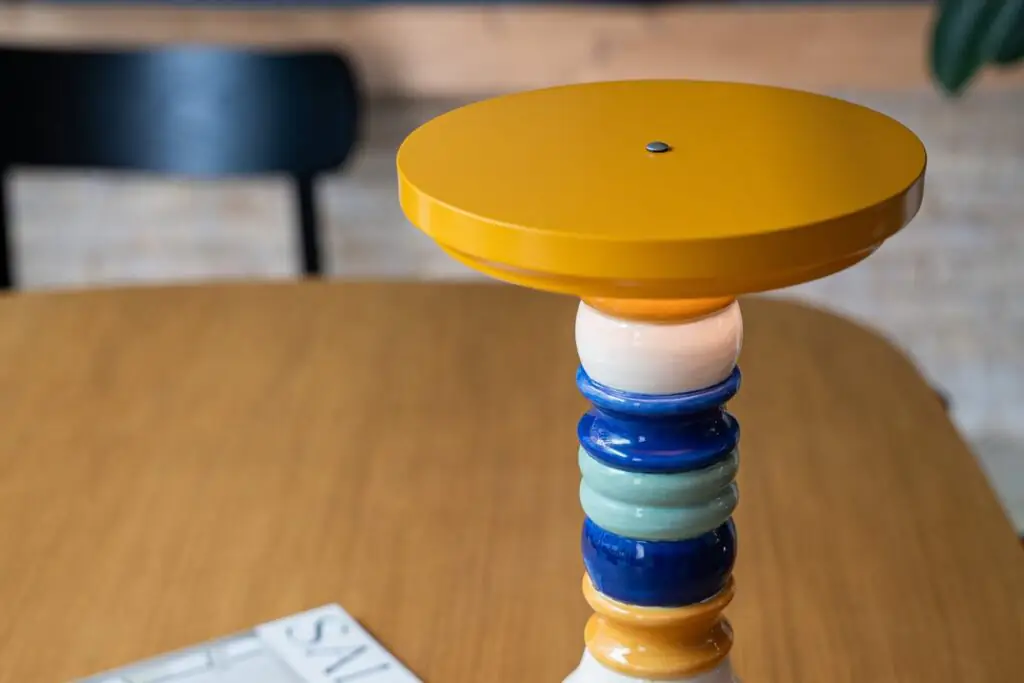
Lucy is a table lamp designed by ONA, the Valencia-based lighting design company and REBELION partner. Its heart is a second-life battery built from cells recovered from an electric scooter: eight cells that provide 10 to 12 hours of light on a single charge.
From the testing line to the table
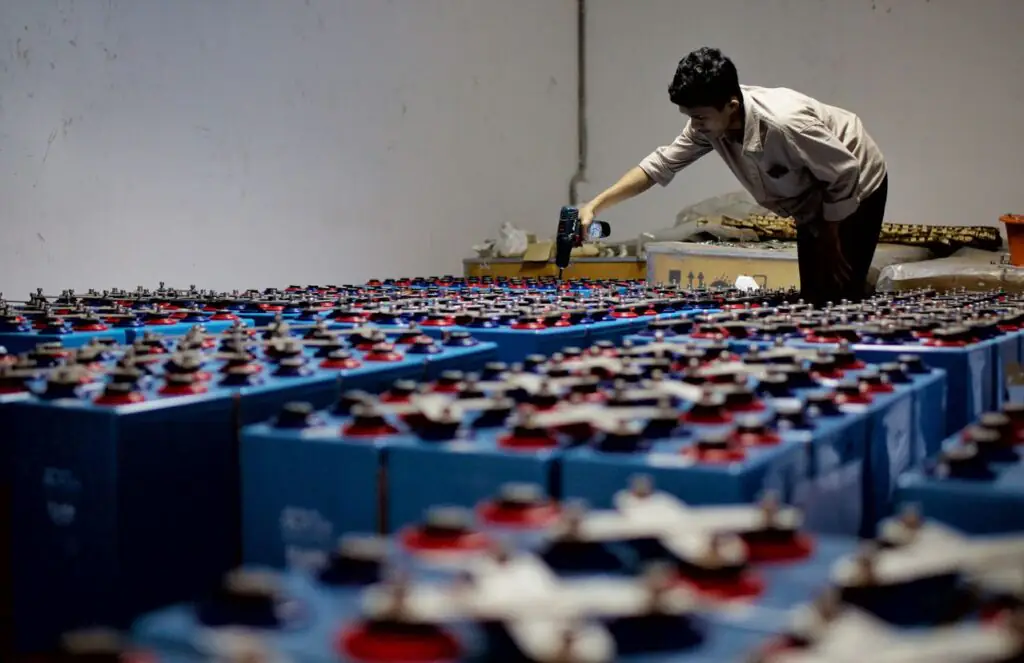
The cells inside Lucy were supplied by the Universitat Politècnica de València (UPV), the REBELION coordinator. They were recovered and tested on the semi-automatic line developed in the project, which disassembles battery packs down to cell level and assesses each cell’s state of health. Cells still in good condition can then be given a second use, while the rest go to recycling.
Circular design for everyday life
Lucy shows what this circular pathway can look like at home: an object designed to be part of daily life, built from a component that would otherwise have reached the end of its use too soon. Giving cells a second life keeps working components in use for longer, makes the most of materials already extracted and reduces waste. As ONA puts it, “when one stage ends, another one can begin.”
Coming soon
Lucy will soon be available to buy on ONA’s website
Photo: Lucy, the table lamp designed by ONA and powered by a second-life e-scooter battery.