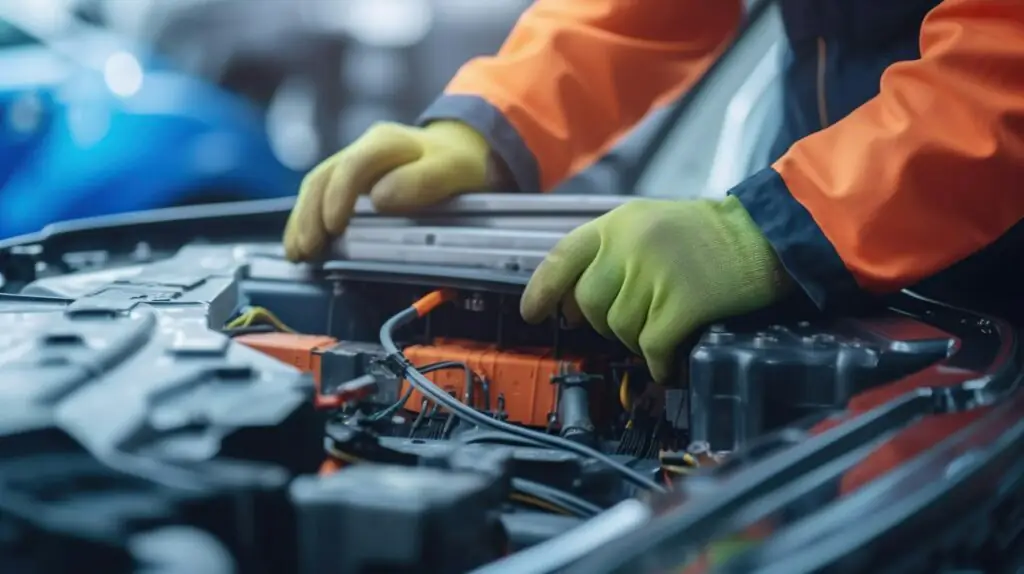

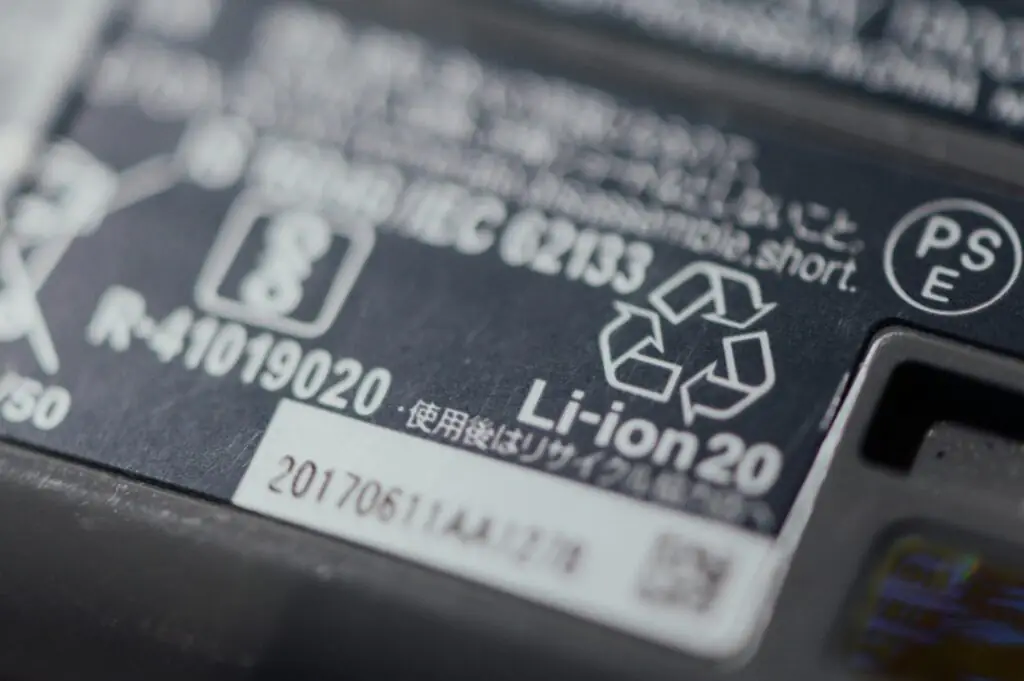
On 18th March, Global Recycling Day, the REBELION project highlights the essential role of lithium-ion battery (LIB) reuse and recycling in supporting a circular economy for electric mobility. While the adoption of electric vehicles continues to accelerate, managing the end-of-life of batteries is becoming a critical challenge. Many LIBs that are no longer suitable for […]
On 18th March, Global Recycling Day, the REBELION project highlights the essential role of lithium-ion battery (LIB) reuse and recycling in supporting a circular economy for electric mobility.
While the adoption of electric vehicles continues to accelerate, managing the end-of-life of batteries is becoming a critical challenge. Many LIBs that are no longer suitable for vehicle use still retain significant capacity and can be safely repurposed for second-life applications, extending their service for up to a decade.
REBELION focuses on advanced battery performance assessment, automated inspection, and robotics-driven disassembly solutions. These technologies enable accurate prediction of battery longevity, identification of reusable components, and optimisation of recycling processes. By combining automation and data-driven approaches, the project is helping create safer, faster, and more scalable circular pathways for lithium-ion batteries.
Participating in Global Recycling Day, REBELION emphasizes the importance of sustainable resource management, industrial innovation, and cross-sector collaboration. The project demonstrates how research, technology development, and coordinated efforts across academia and industry can contribute to efficient circular battery systems, reducing waste, recovering valuable materials, and supporting resilient supply chains.
Follow the REBELION campaign on social media for updates and partner insights, and join the conversation using #RebelionRecycling.
Photo by CHUTTERSNAP on Unsplash