

Articles
Mar 11, 2025

From Tsunami-threat to treasure: how spent EV batteries can power the future

With over 100 million electric cars expected to hit the market in the coming years, a tidal wave of spent lithium-ion batteries is set to retire by 2030. Innovative repurposing strategies aim to close the loop and transform this environmental threat into valuable storage capacity. Yet, experts warn: “For a truly circular system, we need a stable regulatory framework and a shift in industry mindset.”

By Diego Giuliani


Crucial for mobility electrification and energy transition, but threatening if in excess. In 2020, Greenpeace East Asia warned of “a tidal wave of old EV batteries” about to hit China and stressed the challenge of their end-of-life as a “billion-dollar, billion-ton-of-carbon dioxide question.” With the Paris Declaration on Electro-Mobility and Climate Change and Call to Action targeting more than 100 million electric cars in the next five years, and over 12 million tons of lithium-ion batteries expected to retire by 2030, multiple estimates confirm that this “tsunami” will soon go global.


“Lithium-ion batteries (LIBs) can play a crucial role in moving towards carbon neutrality and tackling the climate crisis. They require fewer resources for extraction and processing than fossil fuels. However, we must focus on reducing their carbon emissions and environmental impact throughout their lifecycle, from production to application and end-of-life management,” exhorts Ada Kong, Deputy Managing Director of Greenpeace East Asia.


Fuelling concerns and the urgency for more sustainable management are also the socio-economic implications linked to LIBs’ reliance on imported critical raw materials and the conditions under which they are extracted. “Batteries are essential for electrification but are material-intensive. If the middle steps are not handled correctly, this could result in significant waste, because of premature disposal,” points out Anastasia Tsougka, Programme Manager for the Brussels-based NGO Environmental Coalition of Standards (ECOS). The “middle steps” Tsougka refers to are repair, reuse and second-life applications of EV batteries. Along with recycling, these strategies aim not only to extend battery life but also to transform potential waste into valuable resources. “Managing this growing stock of used batteries will be a significant challenge, but through repurposing, we can turn this problem into a valuable opportunity and use them to meet the increasing demand for storage capacity of renewables,” points out Guillermo Sanchez Plaza.


Research leader of the Photonic for Photovoltaics group at the Universitat Politècnica de València, Sanchez Plaza is also coordinator and principal investigator of Rebelion, a European project promoting a circular model for LIBs. Its technical coordinator, Jaime Alcalá Sanz, explains: “Recycling is seen today as ‘the new mining’ because it offers a way to reduce Europe’s dependency on international supply chains. By developing a robust second-life and recycling industry for batteries, we could decrease our reliance on imported raw materials. So, it’s not only about the environment and economy, it’s also a matter of strategic choices. Even though remanufacturing EV batteries shows promising potential, its application is still limited by regulatory, economic and technical factors. “When repurposing used batteries, you need to dismantle them, test each cell, sort them, and then assemble them into new batteries. This requires significant labour, energy and resources. Initially, we did this manually, making the process more expensive than buying new batteries. To compete with—or even undercut—the cost of new batteries, we need to reduce labour costs, and the key to making this process economically viable is automation,” explains Sanchez Plaza.


A key strategy of his project to make repurposing and second-life applications more competitive is the development of a wide range of cutting-edge technologies. “About 60% of our efforts are focused on automation. We’re using robotics and advanced communication systems to reduce the cost of disassembling and rebuilding batteries. Currently, testing each cell takes about four hours, and we aim to reduce this to around 20 minutes,” he adds. Even though Rebelion’s primary focus is on repurposing, this approach could also make the recycling process more cost-effective. “Whether through robots alone or hybrid collaboration, our automation technologies are designed to efficiently dismantle batteries, which is the first step in the recycling process. This helps reduce costs and labour before any mechanical shredding or chemical recycling takes place,” says Alcalá Sanz. The overall goal of this strategy is to close the loop by prolonging EV batteries’ life to meet the growing demand for storage capacity needed to increase the penetration of renewables. “In 2024, the number of electric vehicles sold in Europe had a combined storage capacity equivalent to all the storage required for Spain’s renewable energy system,” recalls Sanchez Plaza. “This highlights the enormous potential to use repurposed batteries for energy storage.”


According to Greenpeace East Asia’s calculations, repurposing batteries can save 63.34 million tons of carbon emissions from new battery manufacturing. “If implemented effectively, repurposing and recycling would prevent massive waste and reduce the need for new raw materials. This would minimise environmental impact, lower costs, and decrease the geopolitical risks associated with mineral supply chains,” confirms Kong. Despite this promising potential, NGOs and experts point out challenges ahead, including lack of standardisation, limited manufacturer commitment and regulatory burdens. “A key barrier to repair and reuse is the reluctance of battery manufacturers to disclose proprietary information related to battery design and state of health, which could impact their patented products and business models,” says Tsougka. “This significantly hampers design changes and progress in standardisation, limiting broader adoption of reuse and repurposing practices.” Automation can play its part in reducing costs, but it’s complicated by the lack of standardisation in battery design, confirms Alcalá Sanz, adding that there is also a regulatory challenge, “as current laws aren’t well-adapted to this new circular economy model and it’s often unclear whether these products are classified as waste or consumer goods, which affects safety standards, insurance and warranties.”


Experts agree that by addressing these gaps and encouraging modular, repairable designs we can create a more resilient and sustainable battery ecosystem. “The EU’s approach is heavily focused on recycling,” says Tsougka. “And while regulation is strong in this area, it lacks robust provisions for repairability and the second-hand market for EV batteries. The conversation should move towards a truly closed-loop economy approach. This means considering adequately every step of the battery lifecycle, from design to end-of-life. For a truly circular system, we need stronger policy incentives and a shift in industry mindset. If stakeholders, including policymakers and manufacturers, adopt this environmentally sound and science-based approach, it would significantly advance the sustainability of EV batteries.” A call for clear guidelines, consistent over time, comes also from Alcalá Sanz: “A clear regulatory framework with well-defined rules, would not only allow policymakers to take informed decisions, but also help develop technology. If you invest in a process and, five years later, a new directive changes the rules, it’s not just about the technology no longer being the best fit—it also discourages further investment because of the fear of losing time and money. Setting a stable framework is the only way to make this transition happen,” he concludes.


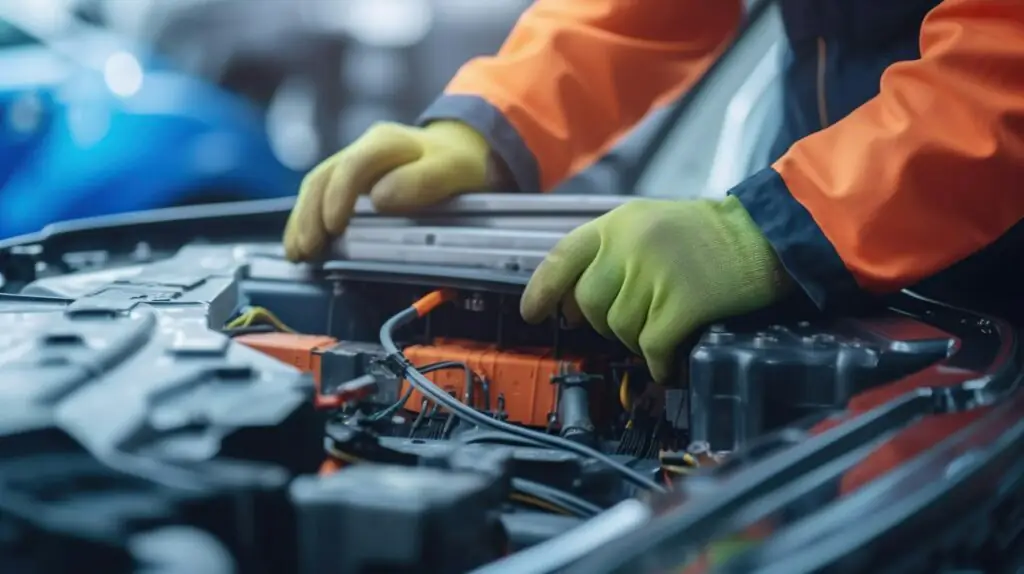
Cover image by Nikhail Nilov on Pexels

Events
Mar 12, 2025
Online

Advancing the circular economy for EV batteries with Recirculate

The REBELION project is pleased to support the upcoming RECIRCULATE workshop: powering circularity – defining the EV battery value chain, taking place online on March 12th at 11:00 CET. The event will bring together key stakeholders to discuss challenges and opportunities in battery lifecycle management, digital tools like battery passports, and second-life applications. The workshop […]

The REBELION project is pleased to support the upcoming RECIRCULATE workshop: powering circularity – defining the EV battery value chain, taking place online on March 12th at 11:00 CET. The event will bring together key stakeholders to discuss challenges and opportunities in battery lifecycle management, digital tools like battery passports, and second-life applications.

The workshop will address major industry challenges, including technical, economic, logistical, and regulatory barriers to battery circularity. Featured speakers include:

  • Pavlina Spasovska, Project Manager at Minespider
  • Ella Cullen, Co-founder & CMO of Minespider
  • Volker Krümpel, Co-founder of Minespider and General Counsel

Register here.

For more details, visit RECIRCULATE’s website or contact Anastasia Popova at anastasia@minespider.com.

Cover image by Sergey Zolkin on Unsplash

News
Jan 27, 2025

Four projects, one driving force: turning battery sustainability from a shared ambition into real impact.

Powering collaboration as REBELION and sister projects unite for impact

To amplify the impact of sustainable battery innovations and foster synergies within the European research ecosystem, the REBELION project has formed a strategic cluster with three sister projects: REINFORCE, RECIRCULATE, and BatteReverse. This initiative aims to enhance knowledge sharing, coordinate joint dissemination efforts, and increase participation in industry-leading events.

The cluster was initiated thanks to the goodwill and proactive approach of the REINFORCE project representative, sparking discussions among all four projects on the benefits of joint initiatives. Despite differing scopes and priorities, the projects share a common goal: advancing the circular economy and sustainability in battery manufacturing and recycling.

Key objectives of the cluster include:

  • Joint participation in events to maximize outreach and stakeholder engagement.
  • Collaborative dissemination strategies to align messaging and increase visibility.
  • Exploring shared resources for knowledge exchange and innovation support.

One of the first tangible steps of the cluster is the collective effort to take part in key industry events. There is interest in attending major gatherings, such as the Battery Innovation Days 2025 and EVS 38, with discussions underway on the possibility of having a shared booth or securing a dedicated speaking opportunity.

This newly formed cluster represents an important step towards enhanced collaboration between EU-funded projects. While maintaining individual project identities, this partnership will enable more effective communication, dissemination, and participation in key industry initiatives.

Cover image by Visual Tag Mx on Pexels.

News
Jan 20, 2025

University of Birmingham’s research supports REBELION’s mission

Research from the University of Birmingham highlights AI and robotic disassembly as key solutions for sustainable lithium-ion battery recycling, supporting REBELION’s mission.

The University of Birmingham, associated partner in the REBELION project, has recently contributed to many research in the field of robotic disassembly, which has the potential to revolutionize the way we approach end-of-life products and waste management. As the global demand for electric vehicles (EVs) increases, the need for efficient recycling and disassembly of lithium-ion batteries (LIBs) has become more critical.

The first of their recent studies, titled Robotic disassembly for end-of-life products focusing on task and motion planning, highlights the role of Task and Motion Planning (TAMP) in improving the efficiency, adaptability, and safety of robotic disassembly processes. By integrating AI-driven technologies such as reinforcement learning (RL) and vision systems, the research aims to optimize disassembly procedures for complex products like EV batteries.

In another significant paper, Imitation learning for sim-to-real adaptation of robotic cutting policies, the team has developed a new method to enhance the transfer of robotic cutting policies from simulations to real-world environments. This technique, which uses imitation learning in combination with Gaussian process regression, allows robots to adapt to varying material properties and disturbances, improving the accuracy and efficiency of cutting tasks in disassembly operations.

These studies not only highlight the transformative potential of robotics in disassembly but also align with REBELION’s mission to advance sustainability and resource efficiency. By incorporating AI, robotics, and innovative technologies into waste management practices, these research efforts contribute to a more circular economy, helping to mitigate the environmental impact of EoL products and promote the responsible recycling of valuable materials.

For more information on these studies and their implications for the future of robotics and sustainability, visit Alireza Rastegarpanah page on Google Scholar.

Press releases
Nov 6, 2024

ICONS sparks the future of #EUSustainableBatteries with a social media campaign at Battery Innovation Days 2024

A collective call to showcase EU-funded projects in Battery Sustainability during Europe’s premier Battery Research event.

Investment in research is essential if batteries are to be more efficient, longer-lasting and ultimately more sustainable, meaning less demand for raw materials.

This is the focus of the social media campaign that ICONS will launch during the Battery Innovation Days 2024, in collaboration with several of its flagship EU-funded battery projects: Nemo, Gr4phite3, GIGABAT, Rebelion, and Thor.

The Battery Innovation Days (BID) will take place on November 26-27 in Barcelona (Spain), and online. It is one of the most significant European events for battery research and innovation. Co-organised by leading European research and innovation initiatives, such as Batteries Europe, Battery 2030+, and the Batteries European Partnership Association (BEPA), BID 2024 will gather key stakeholders, including researchers, policymakers, industry leaders and end-users, to discuss the latest advancements in battery technologies, materials, cell design, manufacturing and recycling.

The focus of this year is the importance of research advancements for sustainable batteries, and that is why we have asked the projects’ academic and research institutions to give us their opinion on how to boost sustainability within their research field through a short video.

As this is such an important topic, ICONS is encouraging everyone involved in battery research and development to showcase their projects and discoveries with the social media campaign #EUSustainableBatteries.

This collective initiative will promote the critical role that EU-funded projects play in enhancing battery sustainability, driving European energy independence and meeting the ambitious climate goals set by the European Green Deal.

Join us in shaping the future of batteries and energy by supporting the #EUSustainableBatteries campaign.

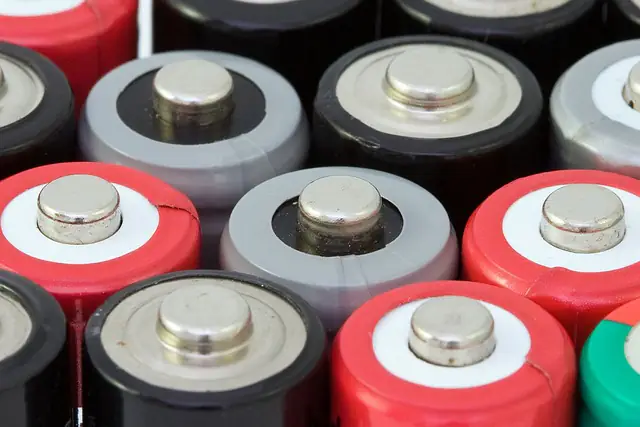
Featured image by PublicDomainPictures on Pixabay
News
Oct 2, 2024

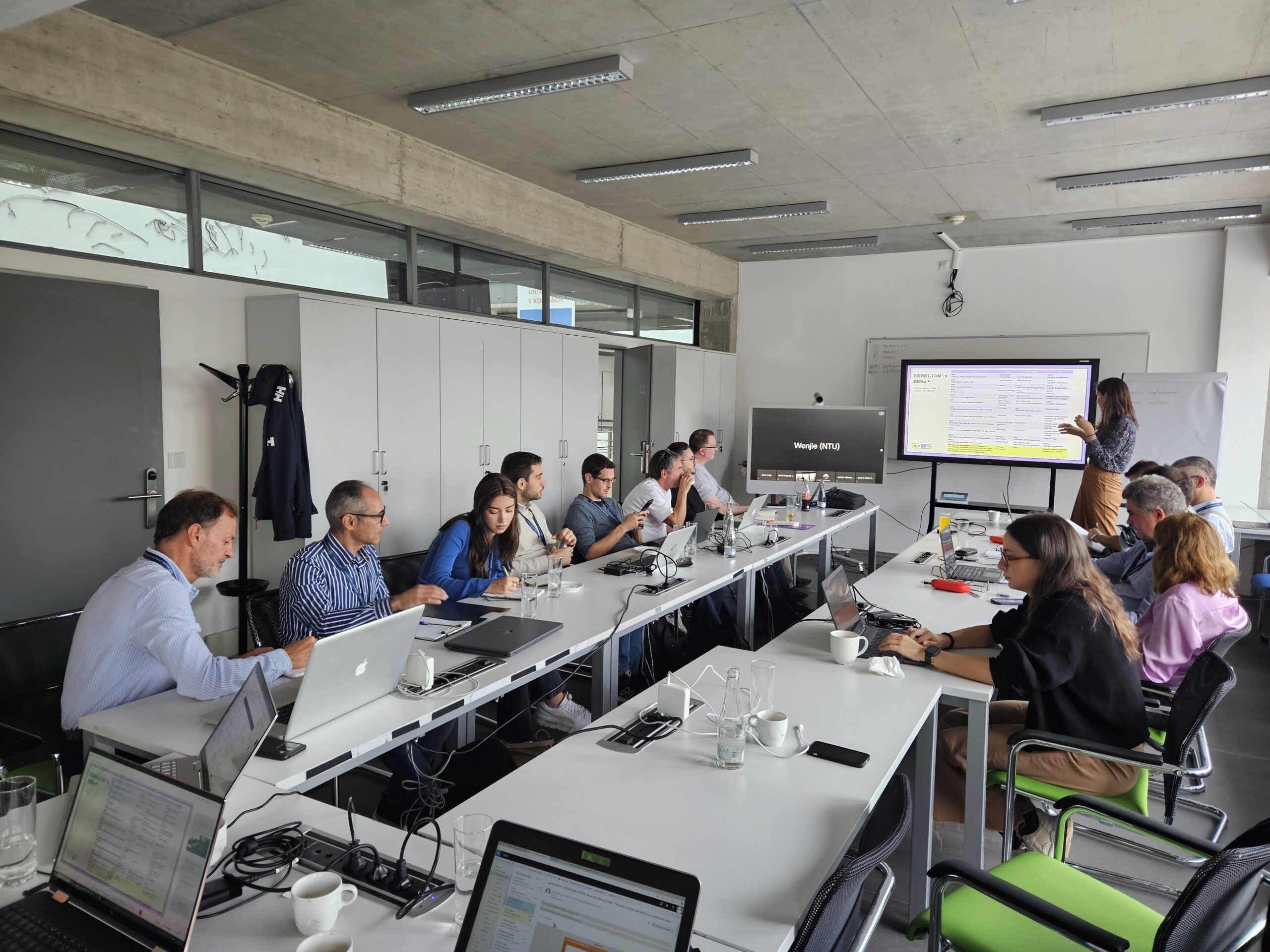
Innovating together: REBELION General Assembly in Košice

Exploring new technologies and advancing collaboration at TUKE’s state-of-the-art labs labs

The REBELION Consortium has just wrapped up the 16th-month General Assembly of the REBELION project, hosted by our new partner, the Technical University of Košice (TUKE), in Slovakia.

During the meeting, partners had the opportunity to tour TUKE’s state-of-the-art facilities, including the Robotics Lab, Innovation Centre, and H2 Lab, gaining insight into the cutting-edge technologies being developed.

The two-day event featured presentations on the progress of key work packages, financial updates, and workshops. ICONS led a workshop on intellectual property and project exploitation, sparking discussions on the next steps for maximizing impact.

More exciting developments are on the horizon as REBELION continues to drive innovation and collaboration across Europe!

News
Sep 26, 2024

A spotlight on the REBELION project on local TV for advancements in battery recycling

UPV’s innovative recycling solutions take center stage in TV broadcast

The REBELION project recently received media attention as the local Spanish TV channel À Punt featured a report on the project’s pilot dismantling line for electric vehicle batteries. The segment, broadcast last Friday, highlighted the important work being carried out at the Universitat Politècnica de València (UPV) and was presented by Raquel Vilanova Martinez, one of the project’s key team members from UPV.

The report showcased the innovative battery recycling processes being developed within the REBELION project, which aim to make battery recycling more efficient and affordable. By advancing sustainable solutions for electric vehicle batteries, the project is contributing to the circular economy and addressing critical environmental challenges.

Watch the full report here: À Punt TV Report


Cover image by StockSnap on Pixabay


News
Sep 18, 2024

Webinar: Recovery of lithium batteries from light vehicles for second-life stationary battery production

17 September 2024 | Valencia, Spain

The Nanophotonics Technology Institute (NTC) of the Polytechnic University of Valencia (UPV) recently hosted an internal webinar to showcase the REBELION project, spearheaded by UPV’s coordinator, Guillermo Sanchez Plaza. The session focused on the project’s cutting-edge approach to automating the disassembly of lithium batteries from electric vehicles and repurposing them for renewable energy storage systems.

The REBELION project aims to extend the lifecycle of lithium batteries by converting them into second-life stationary batteries. This process, which involves automating battery disassembly, is designed to reduce costs and environmental impact while enhancing energy storage solutions. The webinar provided an overview of the project’s pilot line, which will handle battery reception, cell separation, and integration with photovoltaic panels.

The discussion emphasized the project’s potential to support renewable energy storage, stabilize the electricity grid, and offer economic and environmental benefits through innovative battery reuse techniques.


Cover image by Judit Peter on Pexels.

Press releases
Sep 18, 2024

Energising change with new EU standards for a sustainable battery lifecycle

How the EU's latest regulation is transforming battery production, use, and recycling

The European Union recently introduced a comprehensive regulation aimed at improving the sustainability, circularity and safety of batteries, particularly lithium-ion batteries, which play a key role in the transition to clean energy and sustainable mobility. This new regulation addresses the entire lifecycle of batteries, including production, usage, and recycling, marking a significant step toward achieving the EU’s climate neutrality goal by 2050.

Key Changes and Targets

Under this new regulation, starting in 2025, electric vehicle batteries, rechargeable industrial batteries and batteries used in light transport (like e-bikes and scooters) must comply with strict carbon footprint requirements. The regulation also places limits on harmful substances and promotes the use of recycled materials. For example, from 2027, batteries must contain specific minimum amounts of recycled content: 16% for cobalt, 85% for lead, 6% for lithium, and 6% for nickel​.

Moreover, the regulation introduces recycling efficiency targets to ensure that valuable materials, including lithium, are recovered and reused, reducing dependence on raw material imports from outside the EU. The policy also requires companies to address environmental and social risks in the supply chain, especially for critical materials like lithium, cobalt, nickel, and graphite​.

Empowering Consumers

To help consumers make more informed choices, batteries will soon feature labels with key information and a QR code leading to a digital passport with the battery’s specifications, including performance and recyclability. Additionally, consumers will have the right to remove and replace the batteries in their electronic products, extending product lifecycle and reducing post-consumer waste​.

A Strategic Approach to Current Challenges

In line with these regulations, the European Battery Alliance recently discussed a new action plan to reflect the current geopolitical context, focusing on diversifying supply chains, scaling up raw and processed material production within the EU and reducing strategic dependencies. The alliance is reinforcing Europe’s position as a leader in the sustainable battery value chain, aiming to address market needs, innovation, and investment in the sector to support the green and digital transition.

These regulations and initiatives underline the EU’s commitment to a circular economy and strategic autonomy in battery production and use. They not only encourage the sustainable use of resources but also strengthen Europe’s economic resilience in the face of global challenges.

These new regulations underscore the EU’s commitment to a circular economy and strategic autonomy in battery production and use. More detailed information is available in  the official EU documents here​.


Cover image by Victor on Unsplash

Events
Nov 26, 2024 to Nov 27, 2024
Barcelona, Spain

REBELION partners set to energise Battery Innovation Days 2024

November 26-27, 2024 | Barcelona, Spain

We are excited to announce that some partners of the REBELION project will be attending the 4th edition of the Battery Innovation Days on November 26-27, 2024, in Barcelona, Spain, and online. This two-day hybrid event, co-organized by key European Research & Innovation initiatives, will bring together leading experts in the battery sector to discuss the latest advancements and innovations in the field.

As batteries play a critical role in enabling the EU’s transition to a carbon-neutral society, the REBELION project team looks forward to participating in this important dialogue on sustainable and cutting-edge battery technologies.

Stay tuned for more updates on our involvement!


Cover image by John Cameron on Unsplash